It doesn't matter how smart the automatic door is unless there are intelligent sensors controlling it. How the door moves is determined by the operator, the motor and controller—when the door moves (and more importantly when it cannot) is determined by the Automatic Door Sensor. From hospitals to offices, retail stores and transportation buildings, the choice of sensors impacts pedestrian safety, traffic flow, energy usage and adherence to accessibility regulations. This blog covers the benefits and the different detection technologies involved, the ways that each of these technologies can be used in different environments and how project teams can make the right choice for their building with the Automatic Sliding Door Sensor.
Why Automatic Doors Need Sensors
Manual door uses judgement as a criterion. The one who has to open it will be able to see who is coming closer to it and when it is safe to close, as well as what to do in case someone is in the way. Except for an automatic door that does not have such judgment without the presence of sensors.
If the door were unable to detect a person, an automatic door would behave in a set pattern: open, wait, close, without any consideration or regard for the presence of a human. This poses two issues. First, safety. There can be an injury and liability if a trolley, wheelchair, person and/or a child is trapped between the door and the door frame. Second, efficiency: A door that opens to everyone wastes energy, and a quick closing door interferes with the way people use it.
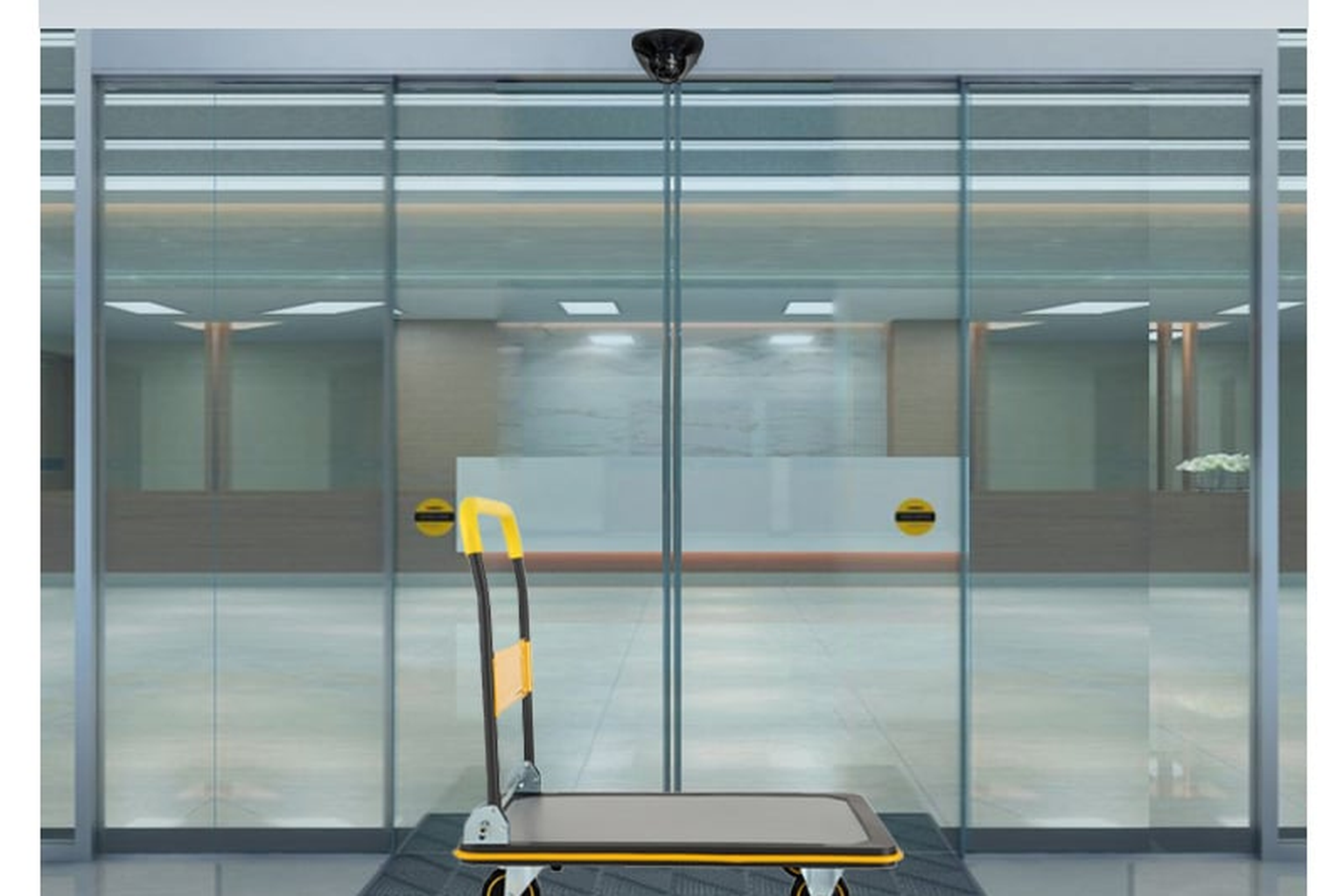
The door receives information from its sensors which enables it to respond correctly. Approaching Traffic is detected by activation sensors and causes the opening. The area of the door leaf is covered by safety sensors that ensure that the door will not be closed when a person or object is in the area. Combined—they make the door welcoming and safe, the two things that make an automatic door a successful automatic entrance.\
What Each Sensor Technology Does
There are several detection technologies used in automatic door systems. They all serve a purpose and many installations use more than one.
Microwave / Radar Sensor → Activation. Microwave sensors emit high frequency waves and measure any Doppler shift in these waves as an indication of movement. Their main purpose is to open with the approach of someone. The radar sensor is rapid, accurate, and good at detecting movement over a large area. They are effective at the door of a high traffic area where the door needs to open quickly as a person approaches it. The downside is that they just sense the movement and not the presence: If a person stands still, he or she might not be constantly detected.
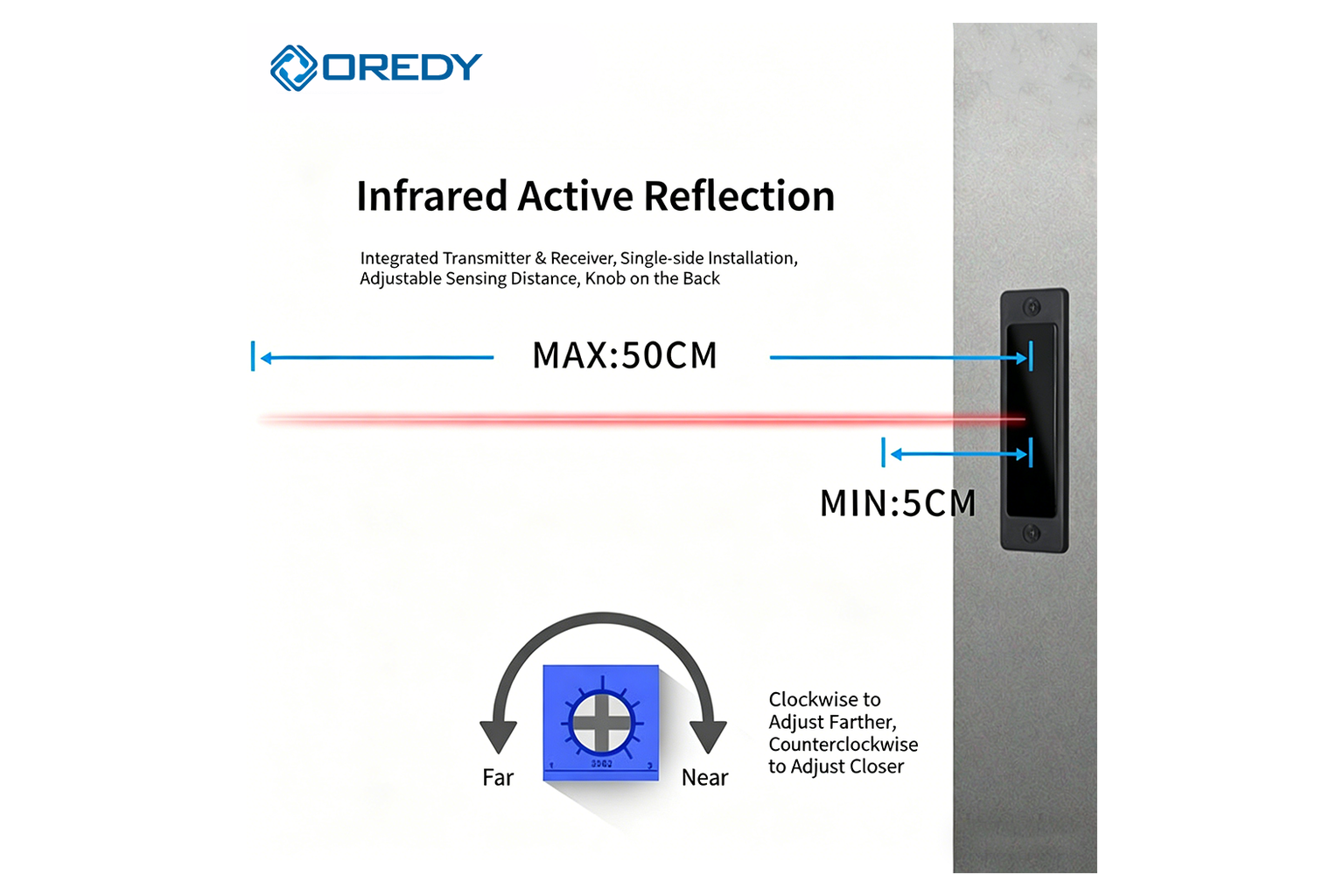
Infrared Sensor → Human and Area Detection. Infrared sensors are able to sense changes in infrared radiation, which is associated with body heat and movement. They are are frequently used in smaller entrances, or as an ancillary technology to microwave. Over the years, infrared sensors have gained the ability to be more exact in identifying detection zones, allowing for a more precise opening of the door to avoid unnecessary opening when a person passes near the door without intent to enter.
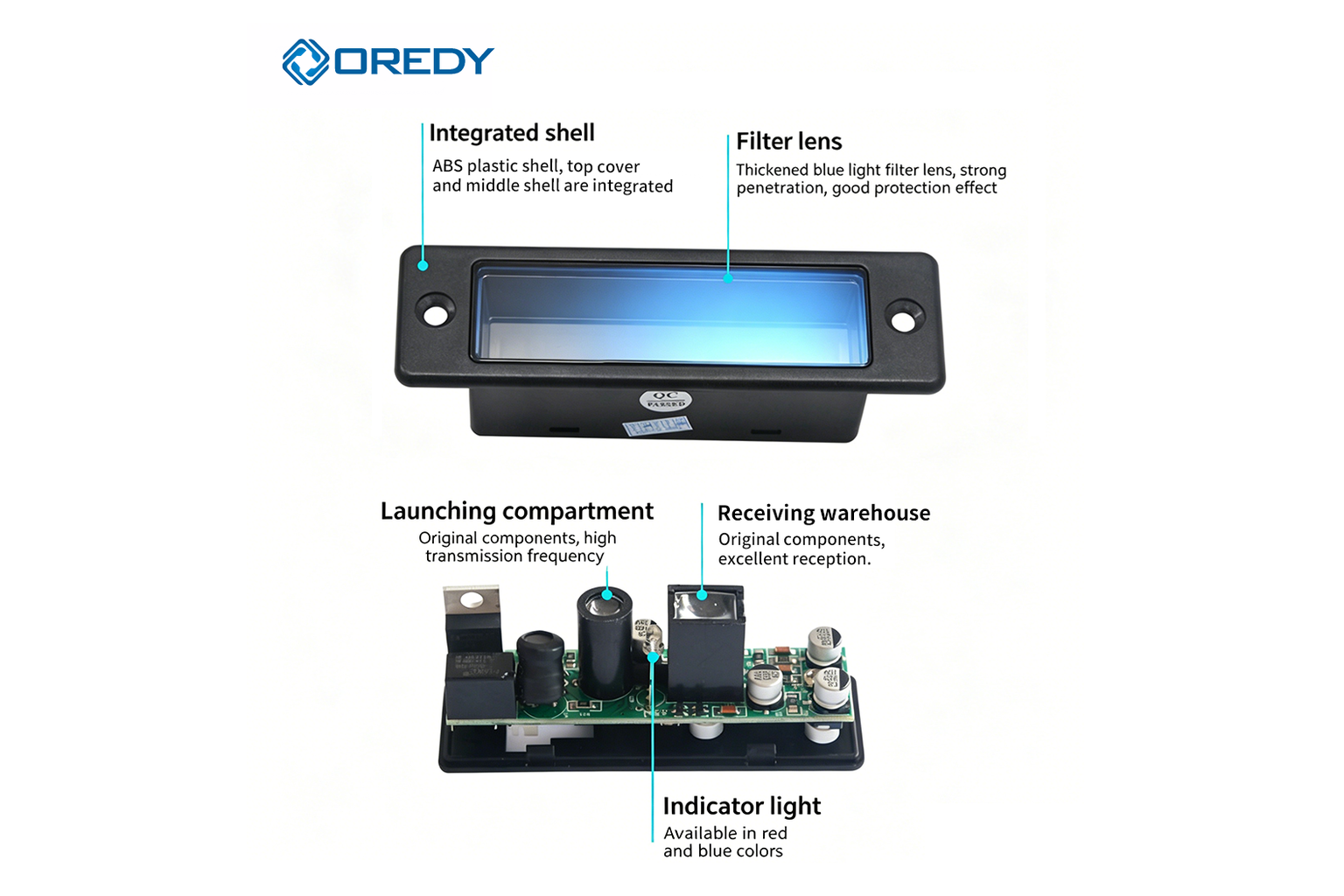
Presence / Safety Sensor → Preventing Entrapment. Presence sensors are the key safety component. They track the area of a door threshold and the space between the panels and alert to the presence of a person or object in a door's way. If it is found, then the door will not close. Technologies used are for example, active infrared curtains, laser scanners and pressure sensitive safety edges. Presence sensors are also commonly required by code in medical and public buildings to prevent entrapment injuries.
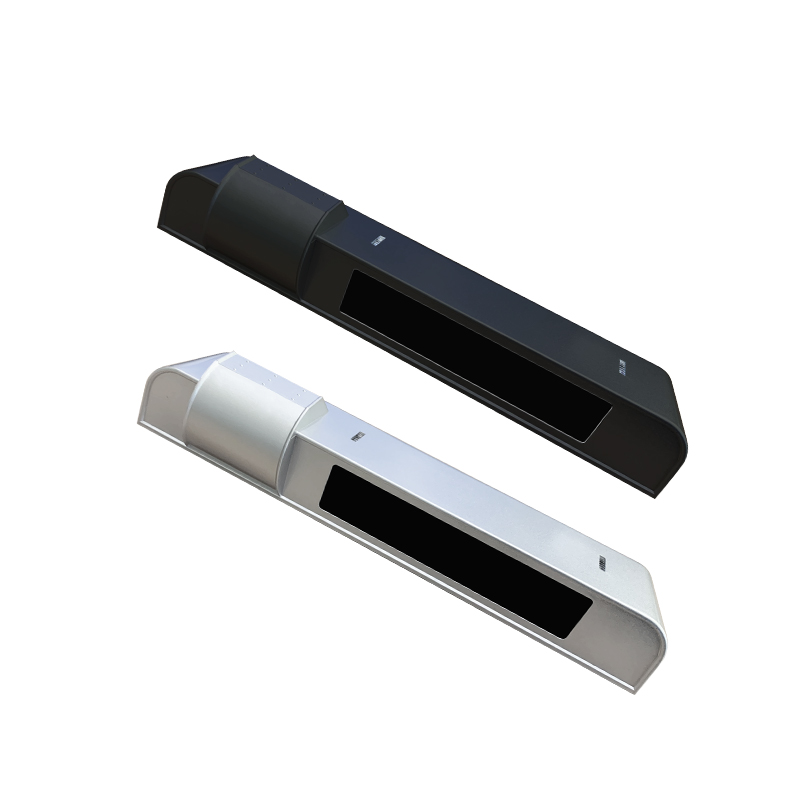
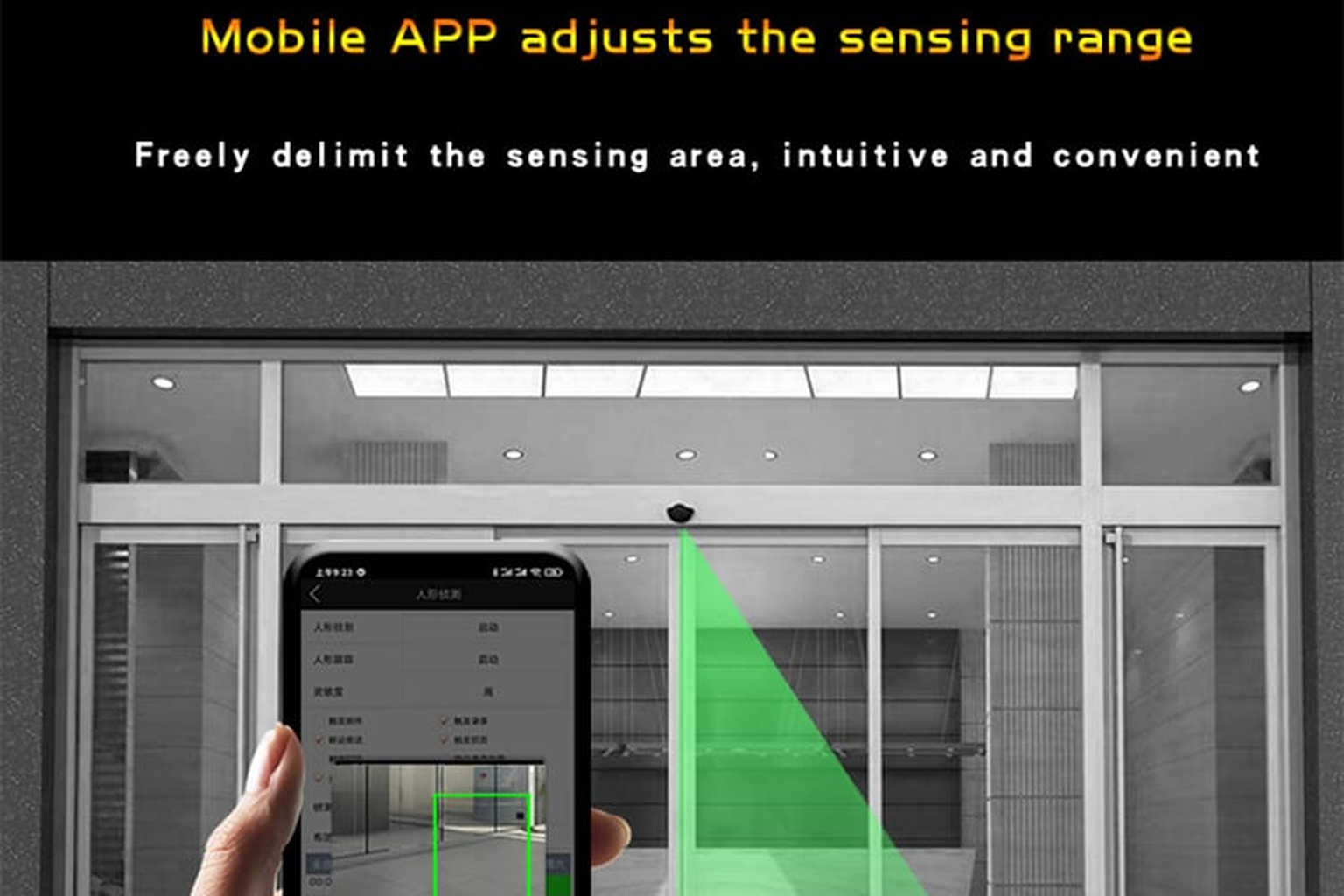
Combined Sensor → Activation and Safety in One Unit. Combined sensors integrate activation and safety functions in one unit. They perform both functions with several different technologies, usually microwave to activate and infrared or laser to detect. This simplifies installation, allows less hardware to be visible on the door header and ensures that the two detection zones are in sync. The benefit of using combined sensors for Automatic Sliding Door Sensor configurations is that they make it easier to specify and more reliable.
How Different Scenarios Improve Safety and Access
The configuration of the sensors should be related to the traffic pattern and the type of the building. The standard configuration will seldom work well on every platform.
Hospitals and clinics. Hospital entryways need to be large enough for wheelchairs and beds, as well as slow-moving patients. Wide threshold coverage is critical with presence sensors; otherwise, the door may close before a slow-moving person has cleared it. The approach sensors need to be able to sense people crawling up from either direction. Sensors can also be connected with hygiene in operating areas and clean areas.
Retail and commercial buildings. Because of the high number of pedestrians, fast activation and reliable presence detection is required. The constant flow is provided by a microwave and presence sensors stop a shopper from closing the door if another person enters the store after them. In colder climates, sensor tuning also helps reduce energy losses by minimizing unnecessary open time.
Offices and corporate lobbies. There is more consistent and predictable traffic. Infrared or combined sensors may help to narrow down detection areas and reduce unwanted openings at low activity times. When integrated with access control, the door will stay closed until someone is authorized to open, after which safety sensors will be triggered when movement is detected.
Logistics and industrial entrances. The entrance can be shared with vehicles and pedestrians. Sensors need to be able to differentiate between a human and a vehicle that requires a wider opening. This distinction can be handled by loop detectors or special radar sensors.
Residential and courtyard entrances. Lower traffic and smaller openings mean simpler sensor configurations. Often an infrared activation with a presence safety layer is enough, and the remote control or keypad is also included in the controller.
The objective in each case is the same: to detect the intent in time to open without incident, and to detect presence sufficiently to ensure the door will not shut on anyone remaining in the doorway.
How to Select the Right Sensor for a Project
Choosing an Automatic Door Sensor is a specification decision which should be made in conjunction with the operator and type of door, before installation.
Define the door function. Is the entrance mostly for walking or does it accommodate carts, beds or vehicles? The detection area and sensor technology should be designed for the fastest and widest user and not for an average walker.
Match activation to traffic speed and direction. The microwave radar is suitable for fast and direct approach. Infrared covers a smaller area and slower traffic. Since most of the openings are on two-way traffic, the sensors should be placed on both sides of the opening.
Prioritize presence detection for safety. Ensure safety sensor is covering the whole door leaf and threshold. Laser scanners provide a wider coverage; IR curtains are inexpensive for normal sizes of openings. Healthcare and public buildings specify to the relevant safety regulations.
Consider combined units to simplify installation. A combined sensor reduces the number of devices on the header, eliminates wiring, and provides synchronized operation and safety function.
Check integration with the controller. The sensor should be suited to the door controller inputs and must be able to send hold open, safety, and fault status signals.
Account for environment. Dust, humidity, high and low temps and direct sun can impact sensor operation. Equipment installed outdoors or in industrial environments should be rated accordingly.
Plan for maintenance. Ensure that regular cleaning and realignment may be performed easily on sensors. Use sensors that have obvious 'power on' lights and are easy to realign.
Suzhou Oredy Intelligent Door Control Co., Ltd. is here to support automatic door projects at exactly this specification stage. Our factory is located in Suzhou, which is called the Venice of China, and has been engaged in automatic doors for more than ten years. It is a professional automatic door professional manufacturer, with 50 employees, 5 technicians and 3 professional R&D engineers. The factory covers an area of 4,000 m2 and 3 fully automatic SMT production lines, with an annual output of 1 million sets of automatic doors. It can provide customers with one-stop purchasing experience and complete OEM and ODM services, covering operator system, smart automatic door and window system, medical door, commercial door and window system automatic sliding door, swing door, magnetic levitation sliding door, airtight medical door, lead door for radiation protection, automatic revolving door, access control system, intelligent window opener. For projects that require a correctly specified Automatic Door Sensor or Automatic Sliding Door Sensor setup, Oredy provides both the machine and engineering support to get it right.