

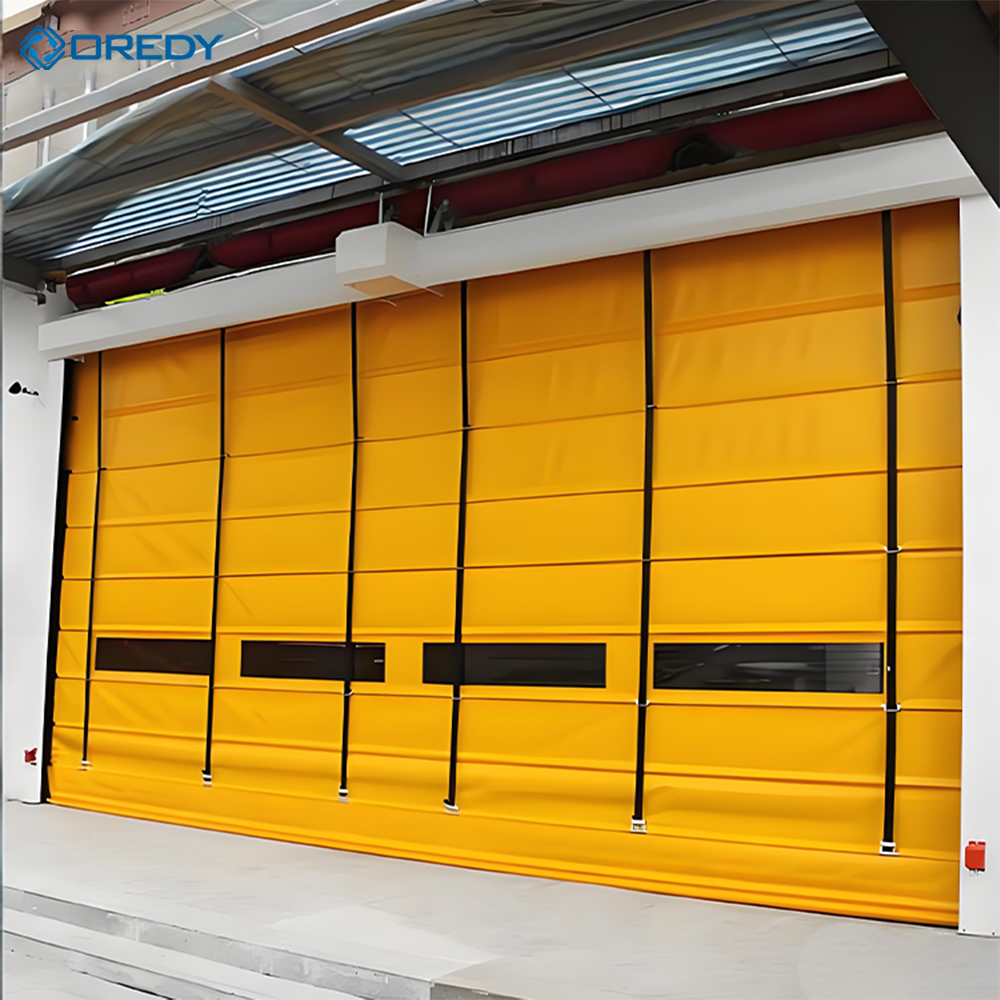
The modern cold storage facilities can be described as fast doors that are silent guards of cold storage and can easily disorganize the balance of subzero conditions. Such high speed entry-points are not only the passageways but are really required items towards product integrity and efficiency in operation. Under conditions of -20 C and below, every second of an open door subjects the inventory to thousands of dollars of hot air. Fast doors are designed to be fast and exchange of temperatures are reduced to the minimum and forklifts and human beings go in and out of the areas without any issues. When such doors are effectively designed, the cold storage facilities can maintain their constant temperatures, use less energy and prolong the life of the refrigerators. The growth in the reliance of such automatic systems has been extremely high since the supply chains have been demanded to support a greater throughput, and a strict compliance to temperature. Nevertheless, many facility managers fail to consider the sophisticated technology required to keep such doors in the severe cold environment as the conventional mechanisms fail frequently because of excessive build-up of ice, fogging sensors and the excessive load of the motors.
The Consequences of Fast Door Failure at -20°C
When a break in of doors occurred in less than twenty degree weather, the result would be more of an equipment nightmare than just a simple equipment failure. Just a few seconds are needed when a door opens or fails to open when it is supposed to and warm moist air gets to the freezer compartment that makes it become instantly foggy and makes the driver have no visibility and put their safety in danger. This movement of temperature leads to the condensation that is immediately converted to ice when it is found on floor surfaces, racking systems and on stored products. The perishable goods begin experiencing the abuse of temperature that influences shelf life and food safety level. The financial factor is much more than the cost of fixing the doors. Fridge compressors work too hard in attempts to recover the lost heat, taking power bills off the scale and raising the cost of maintaining expensive cooling systems. The traffic lines are overloaded and the labour force is reduced to waiting in line before it is handled by human hands. Just one big shift in the temperature of pharmaceutical or specialty food can cause entire pallets of food to become unsaleable, and expensive inventory becomes wasted also. These domino failures expose the reasons why the lowly fast door needs to be given mission critical infrastructure and not building accessory.
Why Traditional Fast Doors Struggle in Extreme Cold Environments
As a rule, even the standard designs of fast doors doing well in ambient conditions fail miserably when the doors are put under continuous -20 degrees C operation. Traditional drive motors do not include thermal protection to ensure torque through freezing, and so their operation is slow and burns down. Normal flexible curtain materials are brittle and crack after repeated flexing in extreme cold undermining the airtight seal needed to retain temperature. Photoelectric safety sensors which are usually reliable in regular environments develop a tendency of accumulating persistent condensation and frost formation, which causes false alarm and cannot close the door. Mechanical parts and traditional limit switches are prone to icing up and these will disrupt the accuracy of positioning the door to hit the floor or not closing completely. When heating elements are included they are frequently poorly distributed or not intelligently controlled either wasting energy or not adequately cooling ice. These basic engineering concessions turn what is supposed to be dependable equipment into a never ending maintenance nightmare that consumes both operational budgets and patience.
Suzhou Oredy’s Intelligent Door Control Solutions
Suzhou Oredy Intelligent Door Control Co., Ltd. has put much effort in its research and development towards finding solutions to the special problems posed to it by extreme temperatures environments. The first step that we take is to realize that fast doors in cold storage demand entirely different engineering priorities than regular industrial doors. Instead of modifying general purpose designs, we have designed integrated door control systems that are specifically designed to work at -20 o C and lower with sustained use. Our smart control software continuously monitors the environment and changes operation variables in real time to prevent the ice forming and condensing that is a constant in traditional systems. The architecture puts thermal control at the point of usage, and there is no reason to have drive components, guide rails, and sealing interfaces blocked without continuous heating. With superior diagnostic features, facility managers have a new level of visibility of the door performance metrics and they get early alerts when minor problems change to disastrous failures. This imitative management of cold storage doors will turn maintenance into a reactive process of responding to the crisis rather than a planned, systematic, and scheduled process that ensures business continuity. We do not limit our scope to the system but go all the way to the full integration of the system which takes into account airflow dynamics, traffic, and facility unique needs.
Ensuring Operational Continuity with Advanced Door Technology
The distinction between running cold storage processes with ease and the expensive thermal outliers is frequently reduced to the dependability of equipment which are surprisingly poorly managed. Fast doors are a relatively low-cost capital requirement compared to refrigerator systems and inventory that they safeguard but their impact of failure is just as catastrophic as much more costly equipment. The facility operators are starting to realize that the specification of industrial grade, intelligently controlled door systems provide the strong-return on investment benefits of minimized energy usage, maintained product factors, and continuous production lines. Suzhou Oredy is willing to be involved in this venture, not only could it provide door control products but also provide a full package of knowledge in extreme environment applications. Our smart door control systems have proved to be worthy in many cold storage facilities where fault-tolessness is paramount. When the temperatures become below -20o C and more, the difference between the standard doors and the intelligently designed systems becomes eminently evident. When facility managers invest in a purpose built and strong door control technology, they can sleep well knowing that their important cold chain is safe no matter what the outside conditions and intensity of operations are. Avoiding cold storage nightmares is not something that can be done by wishing and hoping it will happen but it involves engineering excellence that is applied to all the parts that come into contact with the frozen environment.
