

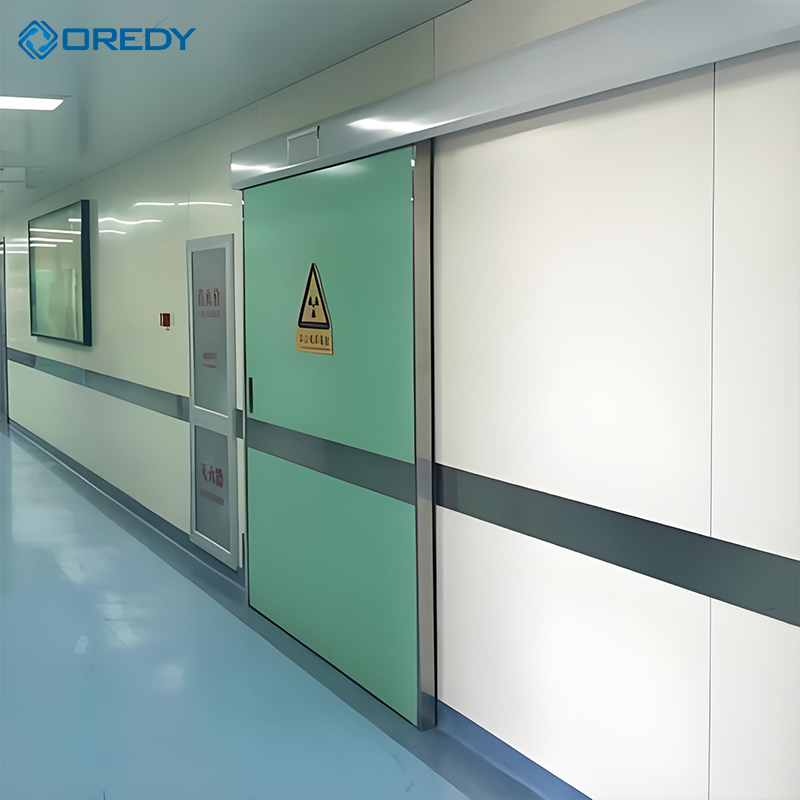
Every detail is important in the rapidly changing world of healthcare infrastructure, where such factors as the accuracy of surgical equipment and the air flow in operating rooms are involved. But the lowly door is one thing that should not be disregarded. In the modern world, major hospitals worldwide are reconsidering entryway solutions and more and more are switching to magnetic levitation doors. Suzhou Oredy Intelligent Door Control Co., Ltd. is on the frontline of this change and the company is focused on redefining the intelligent access systems. And yet what is causing this change? The solution is found in a mixture of hygienic imperatives, efficiency in operations, and patient-centred design.
Enhanced Infection Control Through Touchless Operation
Infection prevention is always the major concern in any health care facility and magnetic levitation doors is a strong contender. Magnetic levitation systems do not touch or have friction as opposed to the traditional sliding doors which have to be touched physically or use mechanical rollers. This gets rid of high contact surfaces where pathogens usually lurk. In sensitive areas like operating rooms, isolation units, and intensive care, any decrease in the number of touchpoints is directly converted into a reduction in cross-contamination risks. The magnetic levitation doors symbolized by Oredy are designed in such a way that they react immediately to motion sensors or access control systems to guarantee that the medical personnel is at liberty to move around without breaching sterile boundaries. The outcome is not only adherence to rigid hygienic standards, but a step that goes ahead to create safer healing conditions.
Quiet and Smooth Operation for Patient Comfort
Hospitals are considered a place to relax and rest but are commonly full of mechanical noise disturbing sleep and increasing stress. Conventional automatic doors have audible friction, vibration and abrupt halting features that could frighten patients and disrupt the peaceful environment. This is altered with the magnetic levitation technology. Oredy slide open and close almost without sound by dispensing with any physical contacts between moving components. The movement is smooth and quiet, which minimizes the environmental noise in corridors, patient rooms, and recovery rooms. To the caregivers it will reduce the number of interruptions on the night rounds, and provide a more dignified experience of those who have undergone surgery or are ill. In contemporary health care comfort is not a luxury any more but a clinical requirement.
Long-Term Reliability and Reduced Maintenance Burden
The operations in the hospitals are 24/7 and the door systems are subject to tens of thousands of cycles annually. The traditional automatic doors use mechanical parts that wear out resulting in frequent breakages, replacement of parts and loss of money through down time. In comparison to this, magnetic levitation doors have been developed with none or very few moving components and no physical contact during the operation. This minimally decreases mechanical wear and tear and increases the product life cycle. Suzhou Oredy Intelligent Door Control Co., Ltd. has designed its magnetic levitation solutions with heavy institutional application in consideration proving its stability even in challenging circumstances. The reduced total cost of ownership that is enjoyed by facility managers includes reduced service calls, reduced inventory to maintain spare parts and continuous functionality to ensure critical pathways are available at any given time.
Energy Efficiency and Sustainable Hospital Design
Since healthcare organizations around the globe are intent on cutting the carbon footprint, the energy-saving building systems have taken the center stage. Magnetic levitation doors are also a massive contribution to this objective. Their accuracy in engineering enables them to close tighter when closed to avoid leakage of air and consequently lowering the burden on the HVAC systems. This degree of airtightness is an infection control measure and an energy saving strategy in operating rooms and clean rooms where pressure differentials are crucial factors. The doors of Oredy are meant to be part of the smart building management systems that optimizes the open and close cycles with regard to the traffic pattern. In the long run, the savings in energy contribute to achieving sustainability in hospitals, and they can use the money to take care of patients.
Elevating the Aesthetic and Technological Image of Hospitals
Values are conveyed through the physical space of a hospital. Patients, families, and the best medical talents are getting attracted to those facilities that are perceived as advanced, clean and well thought. The magnetic levitation doors will have a sleek and minimalist exterior that will fit the modern healthcare facility design. They leave bare rails, or large mechanical casings, and form clear passage ways and a feeling of free motion. In the case of Suzhou Oredy Intelligent Door Control Co., Ltd., functionality is not the only aim, but rather the ability of hospitals to make themselves appear to be forerunners. By installing the magnetic levitation doors developed by Oredy in a leading institution, this will send the message that the institution is dedicated to excellence and this message will be seen by the patients and the rest of the medical community.
Conclusion
The change towards magnetic levitation doors in major hospitals cannot be considered a trend, it is a strategic decision to meet the needs of modern medicine. The benefits are not only quantifiable but also significant, whether it comes to infection prevention and patient comfort or saving costs in the operation and environmental responsibility. Suzhou Oredy Intelligent Door Control Co. Ltd. is at the crossroads of this movement, which supplies intelligent door solutions, and they comply with the mission of healthcare providers all over the world. The doors selected by the hospitals will cease to be inert obstacles, but dynamic factors in the healing, safety and development as hospitals continue to evolve.
