The flow of vehicles is the lifeline of logistics depots. Each minute a truck waits at an entrance is a minute it is not loading, unloading or dispatching. Meanwhile, a depot entrance is a security boundary—it is used to control who and what enters the site. It is challenging to meet these two requirements: speed, and control in a manual gate. The Automatic Sliding Gate Operator alleviates the dilemma by making gate entry automatic without compromising security. This blog will cover what depot vehicle entrances need, why outdoor sliding courtyard gates are suitable for this application, the value of automatic gate opener in the daily operation, the role of control and safety systems, and how to select the correct motor for the gate weight and length.
What Logistics Depot Entrances Require
A logistics depot is not a residential driveway. Heavy vehicles, cycles and 24/7 use are accommodated at the entry. This leads to the following requirements.
High cycle frequency. Trucks have waves and they are often dispatched at a narrow time. A slow moving gate or one that forces a driver out of the cab can cause queues to build up on the public highway.
Large clear opening. All vans, rigid trucks and articulated vehicles access the same entrance. The gate should be wide enough for the largest vehicle to pass through without having to fight against the swinging door.
Weather resistance. The gate performs in the outdoors where it faces the elements of rain, wind, dust and extremes of temperature. Components should be rated for continuous outdoor exposure, rather than occasional exposure.
Security integration. The entrance is a controlled point. Access should be verified on a remote basis, via the card reader, license plate recognition or intercom. Unauthorized vehicles must not be allowed to pass.
Low maintenance tolerance. A peak dispatch period is a time that a depot cannot afford a gate failure. Reliability and serviceability are essential operational requirements.
Most of these are missing with a manual gate. It needs to be opened and closed by a person, it slows down all the cars, and it is not compatible with access control.
Why Outdoor Sliding Courtyard Gates Fit the Application
Sliding courtyard gates are the most popular type of gates for depot entrances. It does not swing inward or outward and does not need clearance in front or rear of the opening. This is particularly important if the entrance is near a road, fence line or loading area.
A sliding gate also grows with height. Can be conceived to open a large space with no cantilever or bi-fold structure. The gate leaf moves parallel to the fence and the width of the entrance is therefore only restricted by the length of the track.
When used outdoors, the gate structure should be wind resistant and should not get corroded. Galvanized steel or aluminum frames with the desired surface treatment are typical. The path should be free from any debris, and should be designed using ground rails or cantilever structures, depending on the site conditions.
What an Automatic Gate Opener Contributes
An Automatic Gate Opener allows the gate to become part of the site's traffic and security system. Contributions are concrete and quantifiable.
Faster vehicle throughput. The automatic operation of the gate means that the driver cannot be required to stop, get out of the vehicle and manage the gate. This can save a lot of time in a depot with lots of movements per shift.
Consistent security. The gate is closed after each vehicle. The risk of a gate being left open, due to forgetfulness or hurry. With access control integration, only authorized vehicles can open.
Reduced labor. No staff member is required to be at the entrance just to man the gate. Security staff will be able to concentrate on monitoring and exception handling and not routine openings.
Integration with access systems. The gate controller can be linked to a remote control, card reader, license plate recognition system, intercom or loop detectors. The gate is now a part of the security and logistics system of the site.
Operating logs/diagnostics. Today's controllers capture opening cycles, faults and usage. This data can be used to help inform maintenance planning and helps to anticipate issues that can lead to downtime.
Control, Safety, and Motor Sizing
The quality of a control and safety configuration determines the quality of an Automatic Sliding Gate Operator. A number of elements must be specified together.
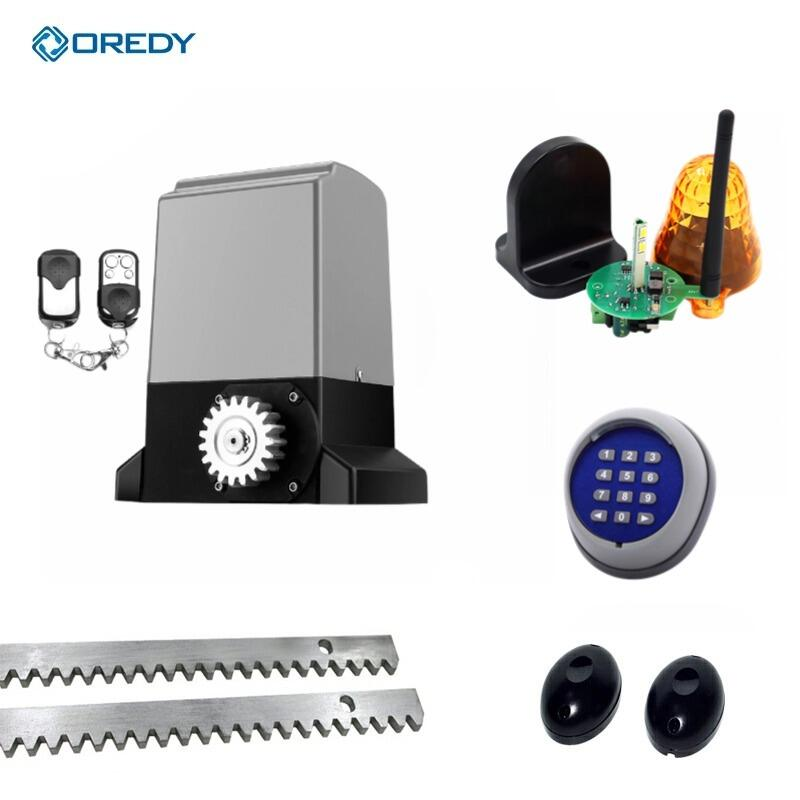
Remote control and access control. For regular access, the drivers and security personnel use remote control access. Card readers, keypads or license plate recognition may then be incorporated for more stringent control. The interfaces that are required by the controller need to be supported natively by the controller.
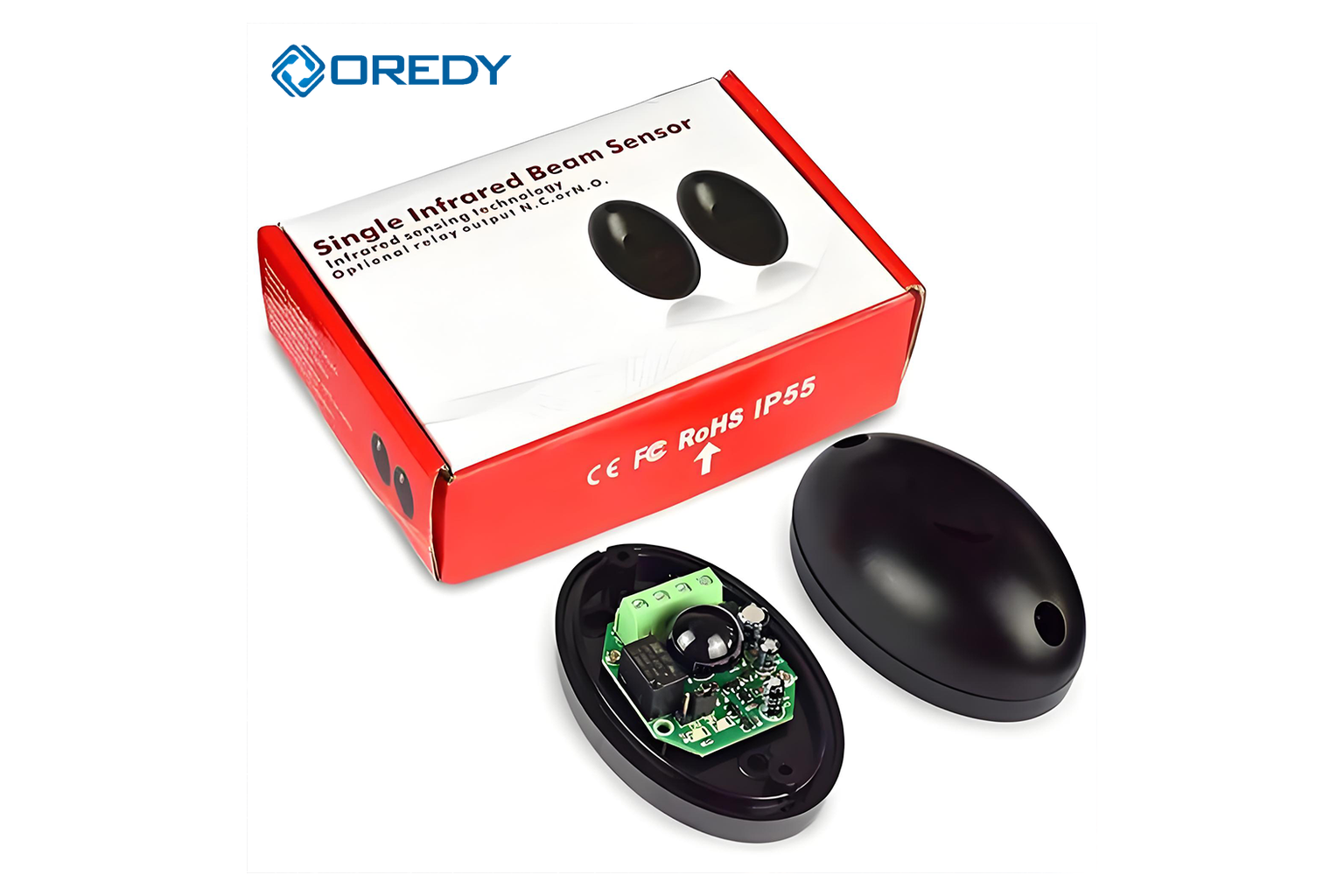
Safety induction devices. Photocells, safety edges and loop detectors stop the gate closing on a vehicle or person. A depot environment can have trucks crossing the gate line making safety devices a must. A vehicle loop detector can be used for keeping the gate open until the vehicle is completely out of the loop.
Warning devices. The flashing lights and audible alarms warn pedestrians and motorists of the movement of the gate. These are frequently needed by on-site safety policies in busy depots.
Manual release. A manual release mechanism allows the gate to be operated in the event of a power failure or system fault, ensuring that the entrance is never blocked.
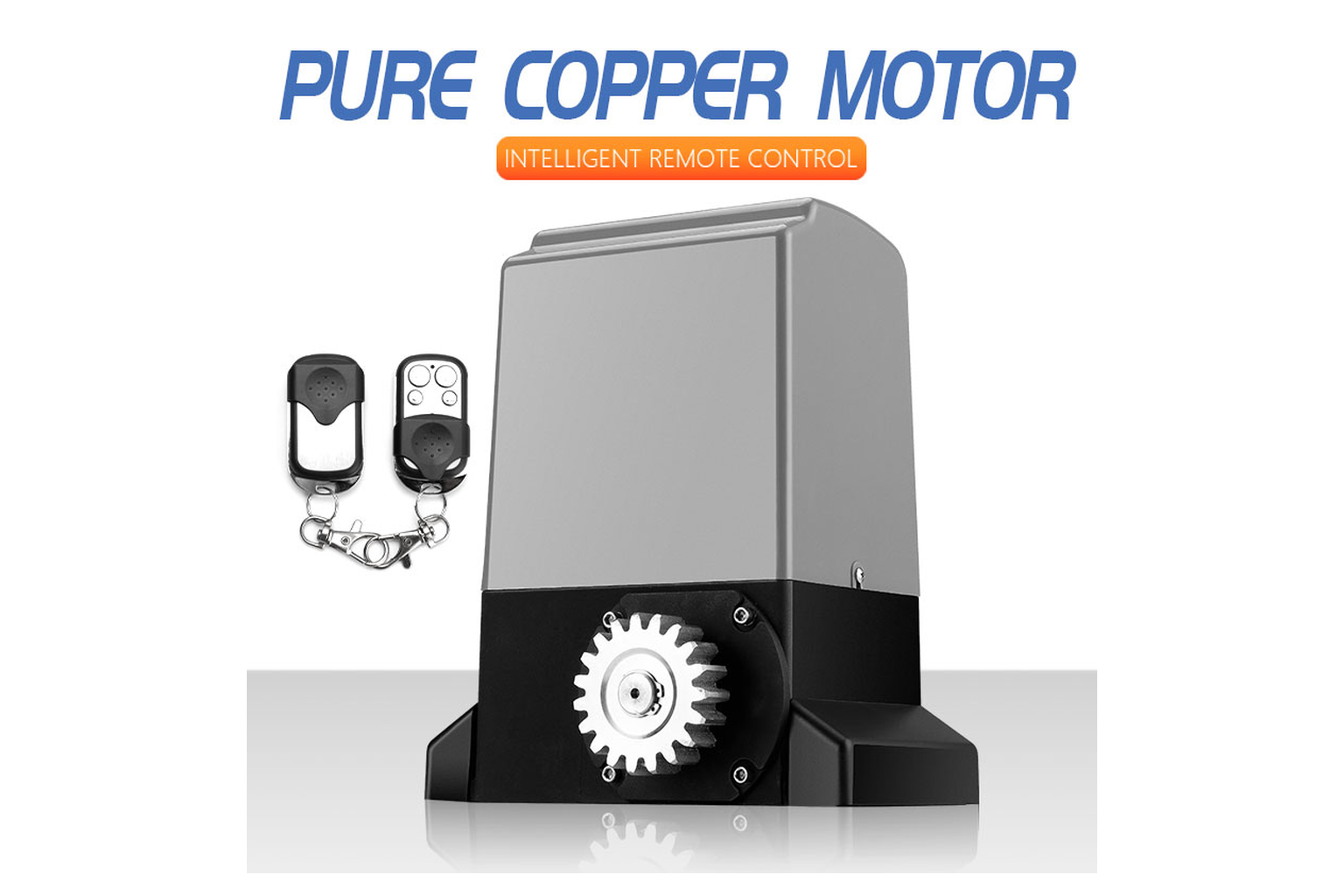
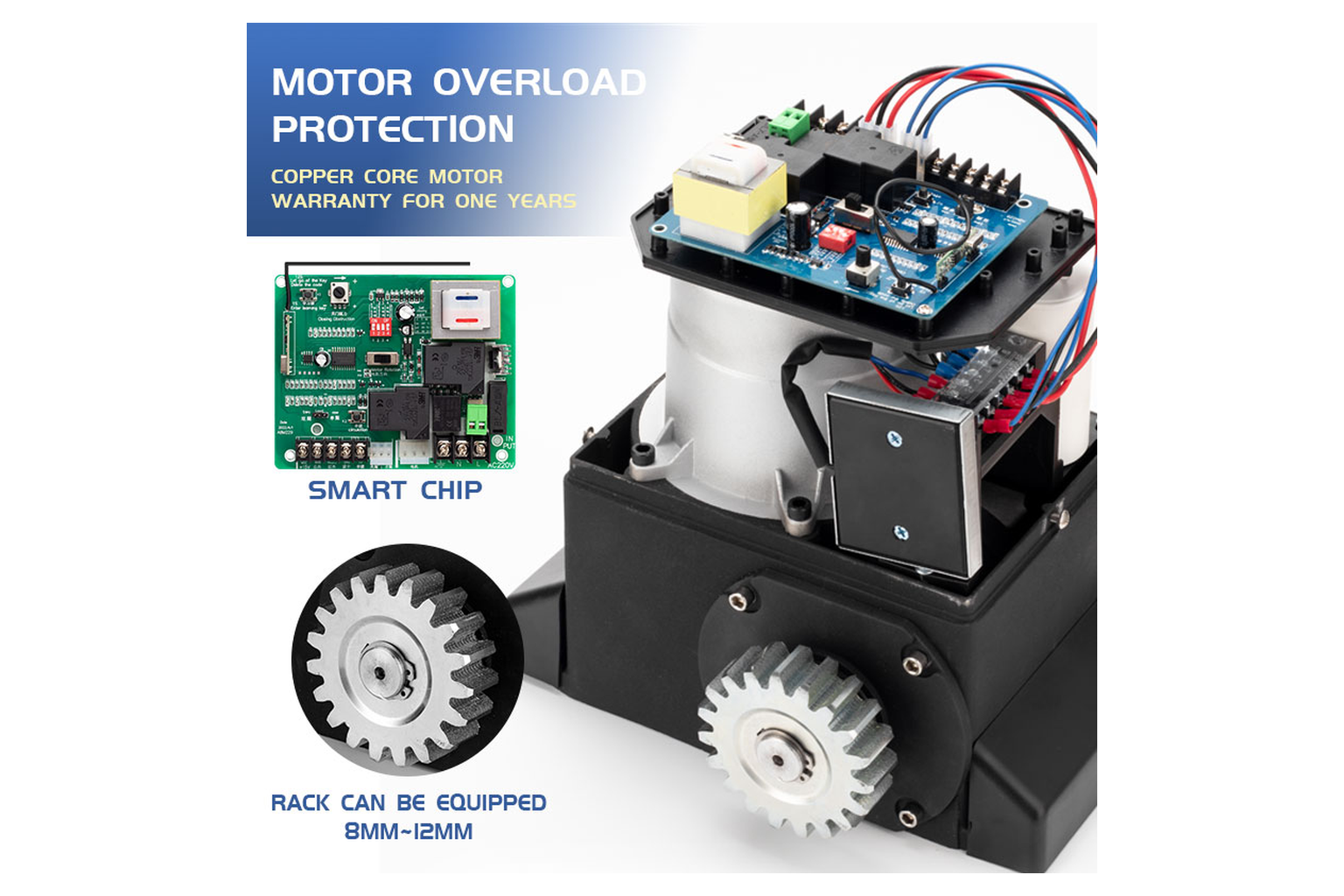
Motor sizing by gate weight and length. This is the most frequently occurring specification fault. Motor should be rated and have sufficient safety factor for the gate leaf weight. A heavier gate will need a stronger operator, a stronger gearing and a controller that can handle the added inertia. The length of the gate is also important as a longer leaf puts more leverage on the operator and track and so the drive system should be adjusted accordingly. An undersized operator causes overheating, failure to wear properly and unreliable operation—particularly in case of high cycle depot usage.
At this stage, Suzhou Oredy Intelligent Door Control Co., Ltd. can provide depot and industrial entrance projects. The company has been established in 2013 located in Suzhou, the “Venice” of China and has been engaged in automatic door for over 10 years. Operating from a modern 4,000 m² factory with 3 fully auto SMT production lines, Oredy employs 50 staff, including 5 technicians and 3 professional development engineers. With 1 million sets of automatic doors sales annually, the company offers a one-stop purchasing platform with complete OEM and ODM capabilities, including systems for operators, household automatic doors and windows, medical doors, as well as commercial door and window systems (automatic sliding doors, swing doors, magnetic levitation sliding doors, automatic courtyard doors, access control systems, automatic gate openers and others). The following will be particularly useful for depots with logistics automation: the Automatic Sliding Gate Operator has a wide range of options to meet the requirements for gate weight, length, and access control.